Choosing the Right Singapore Neighbourhood for Your Next Life Chapter
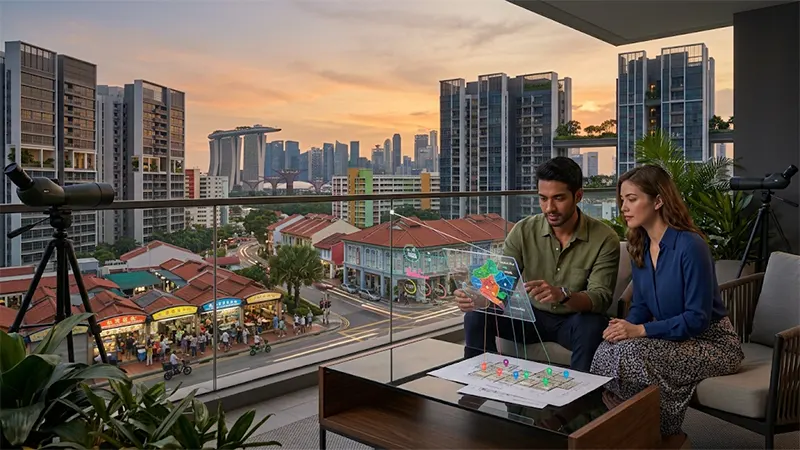
Finding the right home in Singapore involves more than selecting a property with an appealing layout or a price that fits the household budget. The surrounding neighbourhood can influence daily routines, social connections, access to essential services, and the overall experience of living in a particular area. For homebuyers, choosing where to live is therefore just as important as deciding which property to purchase.
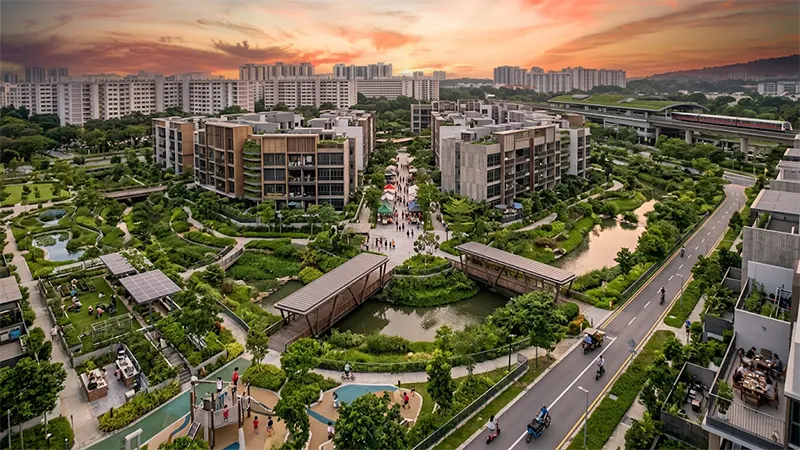
Singapore offers a diverse range of residential environments, from established neighbourhoods with long-standing community facilities to newer residential areas shaped by ongoing urban development. Each location presents a different combination of convenience, atmosphere, accessibility, and lifestyle opportunities. Understanding these differences can help buyers identify a neighbourhood that supports their current priorities while remaining suitable for future needs.
Start With Your Everyday Lifestyle
Before comparing neighbourhoods, buyers should identify what a typical week looks like. The most suitable location depends largely on how residents spend their time, where they travel regularly, and which amenities they use most often.
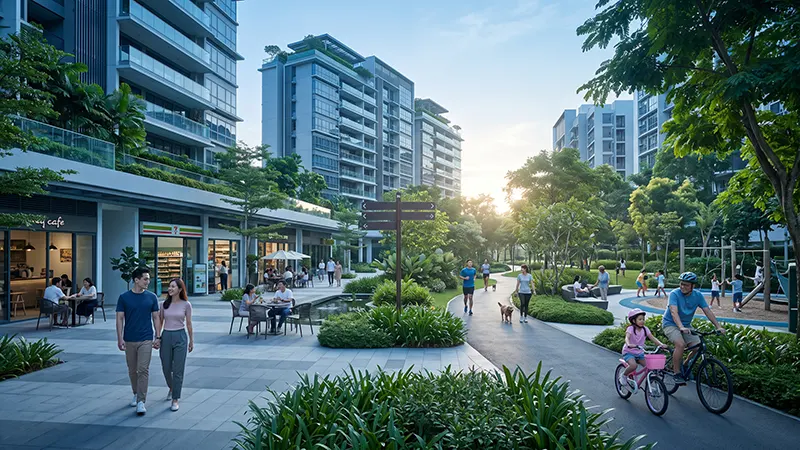
For professionals who commute frequently, reliable public transport and convenient access to major employment areas may be important. Families with children may place greater emphasis on childcare services, schools, healthcare facilities, and safe pedestrian routes. Retirees or people who prefer a quieter routine may value nearby parks, accessible shops, and opportunities for relaxed outdoor activities.
Buyers should distinguish between amenities they use regularly and those they might visit only occasionally. Living close to a popular shopping destination can sound attractive, but convenient access to a supermarket, pharmacy, or everyday … READ MORE ...